How to Use Castellani Vials: Long-Term Genetics Storage, Made Simple
How to Use Castellani Vials: Long-Term Genetics Storage, Made Simple
If you've ever lost a favorite culture to contamination, senescence, or a dead LC in the back of the fridge, you know the problem Castellani vials solve. Buy a strain once and keep it alive for years — sometimes decades — without a freezer, liquid nitrogen, or any special gear.
What is a Castellani vial?
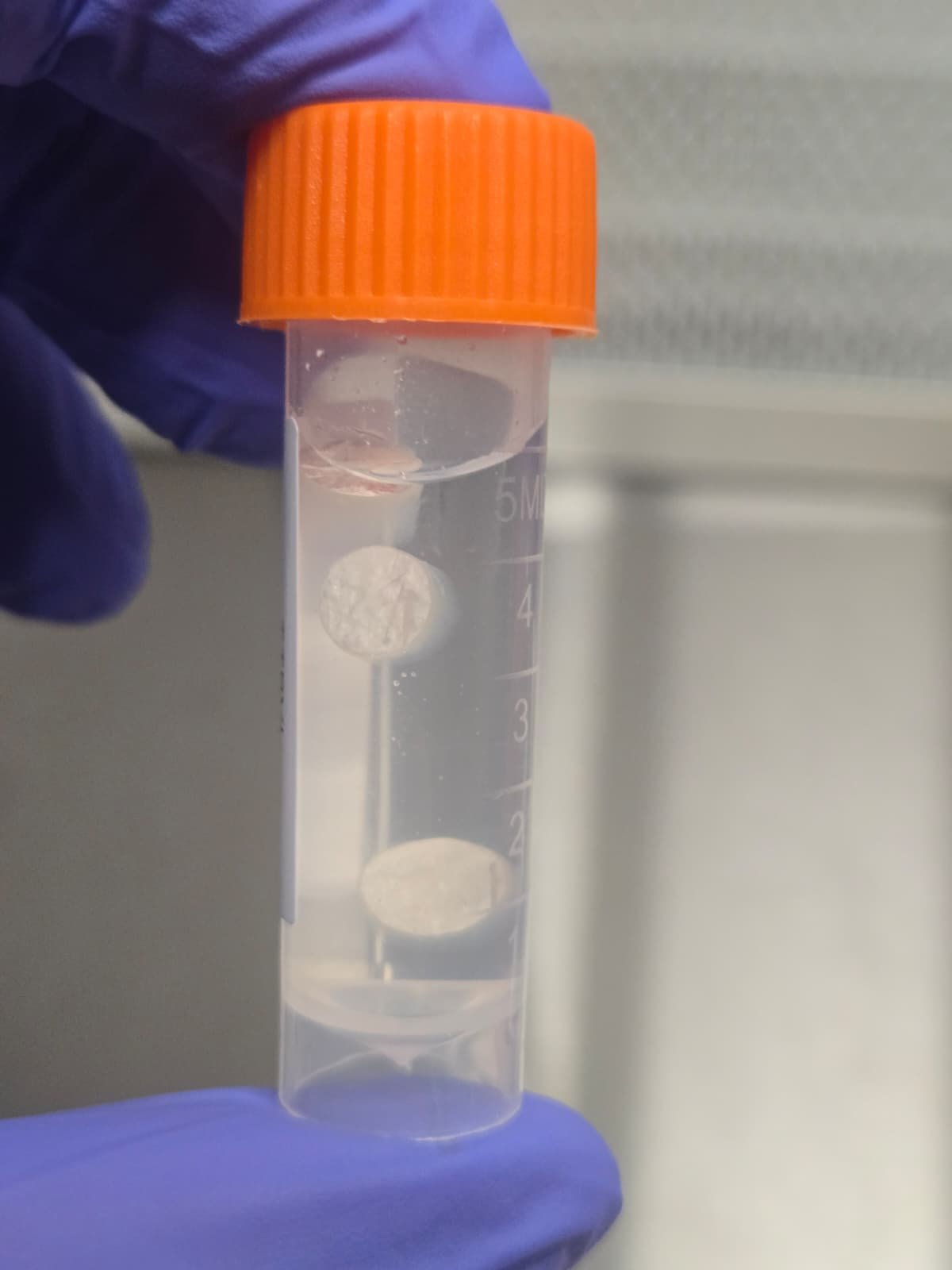
The Castellani method preserves fungal cultures in sterile distilled water. Starved of nutrients, the mycelium drops into dormancy — it stops growing, stops burning resources, and stops aging in any meaningful way.
Your vial holds several wedges of clean, verified mycelium suspended in sterile water. Because there are multiple wedges, one vial is good for many revivals — pull one when you need it, leave the rest sleeping. And unlike a spore print, this is clonal tissue: the exact genetics of the parent culture, not a genetic lottery ticket.
Storing your vial
Keep it upright, cool, and dark — a cabinet, drawer, or fridge door all work.
Leave the cap sealed until you're ready to pull a wedge.
Never freeze it. Without a cryoprotectant, ice crystals rupture the cells and kill the culture. This is the #1 way people destroy an otherwise bulletproof vial.
Stored right, there's nothing to maintain. No feeding, no transferring, no babysitting.
Reviving a culture
Work clean — a flow hood or still air box, wiped down, 70% iso on hands and surfaces.
Prep a fresh sterile agar plate (MEA or PDA).
Flame-sterilize a scalpel or tweezers, then let it cool a few seconds.
Fish out one wedge, reseal the vial immediately, and place the wedge mycelium-side down on the plate.
Incubate at the strain's normal temp, in the dark.
Expect a lag. Coming out of dormancy takes energy, so growth may start slower than a fresh transfer — a few days to a week. That's normal, not a failure.
Once you see healthy growth, transfer a clean edge to a fresh plate to build a strong working culture, then move to grain or LC as usual. Agar-first beats reviving straight into liquid culture — it lets you confirm the tissue is clean before you commit it.
Alternative: shake and pour. Instead of fishing out a wedge, you can gently shake the vial to break up and disperse the mycelium into the water, then pour a small amount onto a fresh agar plate and spread it lightly. This scatters tissue across the plate and can give you multiple colonization points at once. Same sterile technique applies, and you still get plenty of pulls left in the vial.
How long they last
Viability depends on species, but water-stored cultures routinely last several years, often well over a decade — with documented cases past 20 years. For your most valued strains, revive a wedge every few years, grow it out, and make a fresh vial to reset the clock.
Quick troubleshooting
No growth after 10–14 days? Try a second wedge before assuming the vial's dead — one wedge can be a dud while the rest are fine.
Contamination on the plate? Almost always from transfer technique, not the vial. Tighten up and retry.
Cloudy water? Slight cloudiness can be normal. Heavy cloudiness, color, or film means contamination — don't revive from a vial that looks or smells off.
Castellani vials are the closest thing to a "save file" for your cultivation work. Store them cool and dark, keep them out of the freezer, and revive one wedge at a time. Done right, a single vial can seed grows for the better part of a decade.
Genetics offered for legal preservation, research, and educational purposes in accordance with the laws of your jurisdiction. Know your local regulations before you cultivate.